In 2020, $100 was enough to cover a couple’s ideal Valentine’s Day complete with roses, chocolates, and a romantic dinner. But in 2025, that same $100 doesn’t buy quite as much. In fact, the U.S. Bureau of Labor Statistics found that $100 in January 2020 has the same purchasing power as $122.34 in December 2024, which is enough to break your heart.
According to a recent survey, nearly 40% of Americans say inflation is affecting their Valentine’s Day plans. Since 2019, sirloin steak prices have increased 38%, while cocoa is so expensive that Hershey’s is having to reformulate their chocolate recipe to bring costs down. The national average cost for a dozen roses is now $90.50, but in Texas, consumers can expect to spend around $110. Meanwhile, the cost of a romantic dinner now competes with a weekly grocery bill, making us wonder if love has become a luxury few can afford.
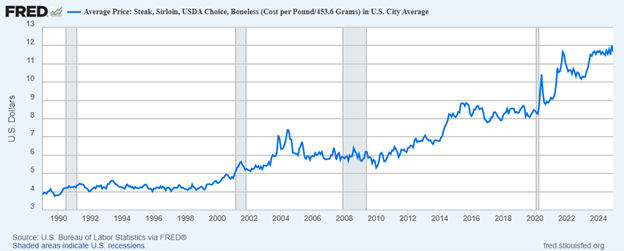
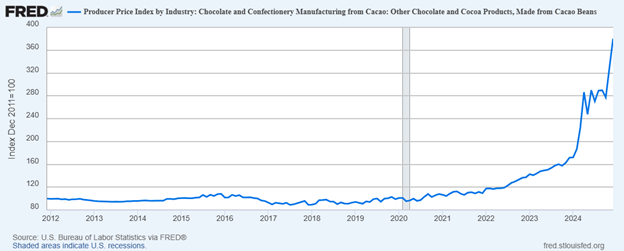
The National Retail Federation estimates the average American will spend $188.81 on their special someone, with all US consumers spending a record $27.5 billion on Valentine’s Day. Specifically, the NRF projects the following spending breakdown:
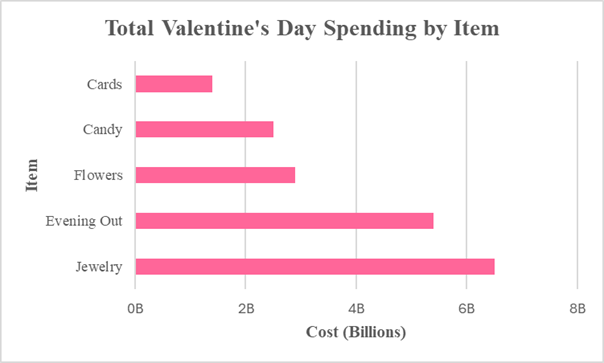
Of those participating in Valentine’s Day festivities, over half plan to purchase candy, with 40% planning to buy flowers. Over one-third of respondents anticipate spending an evening out, and more than 20% are buying jewelry for their loved ones.
Is there hope for a more affordable Valentine’s Day? While Valentine’s Day 2025 may feel like an expensive luxury, there is hope that future celebrations could be easier on the wallet, if the current administration stays the course.
On the campaign trail and during his early days in office, President Trump made affordability a top priority and promised to bring down the cost of everyday expenses. One way that he and other Washington D.C. leaders can do this is to extend his tax cuts for all Americans, thereby putting more money in the pockets of taxpayers. With the Federal Reserve maintaining higher interest rates and the government looking to cut excessive costs through D.O.G.E., we may begin to see a cooling effect on price hikes across key sectors.
Additionally, addressing supply chain challenges could help lower costs on Valentine’s Day staples, like chocolates and flowers. The U.S. Department of Agriculture (USDA) announced an initiative aimed at increasing market competition and lowering food prices, which may contribute to greater price stability in upcoming years. Finally, the World Bank projects that, following a 58% increase in 2024, the beverage price index—which includes cocoa—is expected to decline by 9% in 2025 as cocoa production recovers. These developments and others suggest that there is reason to be hopeful for a more affordable Valentine’s Day in the future.
So let’s get government under control and Make Valentine’s Day Affordable Again!